In This Topic
- What Is Plastic?
- What Is Food Grade Plastic?
- Types Of Plastic
- Not All HDPE Containers Are Food Grade
- Plastic Containers For Brining
- Plastic Bags For Brining
- Plastics To Avoid
- The Homer Bucket: Unsafe For Brining
- Removing Odors And Stains From HDPE Buckets
- Learn All About Brining
When the subject of brining comes up, people ask what kinds of containers can be used to hold the brining solution and meat. The usual answer is a non-reactive container made from plastic, ceramic, glass, stainless steel, or anodized aluminum (not regular aluminum). Plastic containers are most popular because they are widely available in sizes large enough to hold a whole turkey, a commonly brined meat.
But are all plastic containers appropriate for contact with your food during brining?
What Is Plastic?
Plastic is made from hydrocarbons derived from petroleum or natural gas. The hydrocarbons are formed into chains called polymers, or plastic resins. By combining hydrocarbon molecules in different ways, different types of plastic can be created.
What Is Food Grade Plastic?
The U.S. Food & Drug Administration (FDA) requires that plastics used in food packaging be of greater purity than plastics used for non-food packaging. This is commonly referred to as food grade plastic. Plastics used to package pharmaceuticals are held to an even higher standard than food grade.
Food grade plastic does not contain dyes or recycled plastic deemed harmful to humans. However, this does not mean that food grade plastic cannot contain recycled plastic. The FDA has detailed regulations concerning recycled plastics in food packaging.
Another aspect of food grade plastic is matching the appropriate type of plastic to the food in question. Foods that are highly acidic or that contain alcohol or fats can leach plastic additives from the packaging or container into the food. As a result, you should only use plastic containers that are FDA approved for the particular type of food the plastic will come into contact with.
Finally, it should be noted that a plastic container can no longer be considered food grade if it has been used to store non-food items like chemicals, paint, or detergent.
Types Of Plastic
In the United States, the following codes represent the seven categories of plastic used in nearly all plastic containers and product packaging:
 PET or PETE (polyethylene terephthalate) is a clear, tough polymer with exceptional gas and moisture barrier properties. PET’s ability to contain carbon dioxide (carbonation) makes it ideal for use in soft drink bottles.
Examples: Soft drink bottles, detergent bottles
 HDPE (high density polyethylene) is used in milk, juice and water containers in order to take advantage of its excellent protective barrier properties. Its chemical resistance properties also make it well suited for items such as containers for household chemicals and detergents. Most five gallon food buckets are made from HDPE.
Examples: Milk bottles, shopping bags
 Vinyl (polyvinyl chloride, or PVC) provides excellent clarity, puncture resistance and cling. As a film, vinyl can breathe just the right amount, making it ideal for packaging fresh meats that require oxygen to ensure a bright red surface while maintaining an acceptable shelf life.
Examples: Plastic food wrap, shrink wrap, garden hoses, shoe soles
 LDPE (low density polyethylene) offers clarity and flexibility. It is used to make bottles that require flexibility. To take advantage of its strength and toughness in film form, it is used to produce grocery bags and garbage bags, shrink and stretch film, and coating for milk cartons.
Examples: Squeeze bottles, dry cleaning bags
 PP (polypropylene) has high tensile strength, making it ideal for use in caps and lids that have to hold tightly on to threaded openings. Because of its high melting point, polypropylene can be hot-filled with products designed to cool in bottles, including ketchup and syrup. It is also used for products that need to be incubated, such as yogurt. Many Cambo, Tupperware and Rubbermaid food storage containers are made from PP.
Examples: Bottle caps, take-out food containers, drinking straws
 PS (polystyrene), in its crystalline form, is a colorless plastic that can be clear and hard. It can also be foamed to provide exceptional insulation properties. Foamed or expanded polystyrene (EPS) is used for products such as meat trays, egg cartons and coffee cups. It is also used for packaging and protecting appliances, electronics and other sensitive products.
Examples: Plastic foam, packing peanuts, coat hangers
 Other denotes plastics made from other types of resin or from several resins mixed together. These usually cannot be recycled.
Another important type of plastic is polycarbonate, a clear shatter-resistant material used in restaurant food storage containers and the Rubbermaid Premier line of stain-resistant home food storage containers.
Why do we need different types of plastics, anyway? This excerpt from the American Plastics Council website explains it well.
“Copper, silver and aluminum are all metals, yet each has unique properties. You wouldn’t make a car out of silver or a beer can out of copper because the properties of these metals are not chemically or physically able to create the most effective final product. Likewise, while plastics are all related, each resin has attributes that make it best suited to a particular application. Plastics make this possible because as a material family they are so versatile.”
Not All HDPE Containers Are Food Grade
There is a common misconception that all containers made of white plastic or HDPE plastic bearing the “2” symbol are food grade containers. This is not true.
If you are considering the purchase of a container from some place other than a kitchen or restaurant supply store, and the container is not clearly labeled as “food safe” or being made of food grade plastic, then you should assume that it is not food grade and you should not brine in it—unless you line it with a food grade plastic bag.
Plastic Containers For Brining

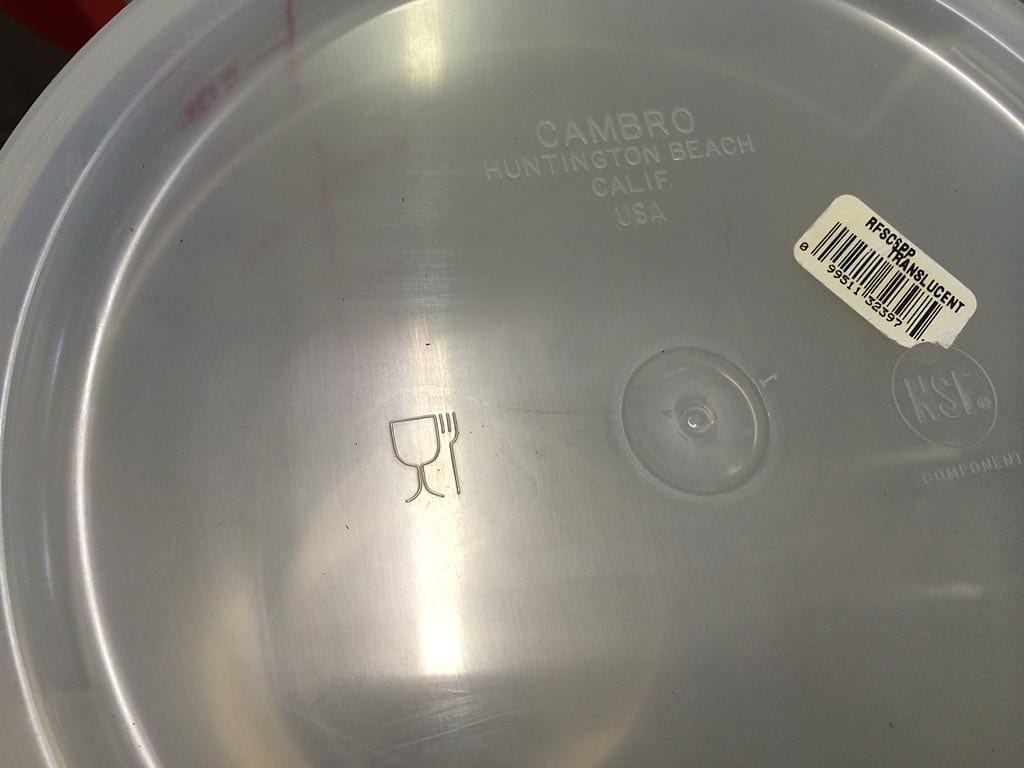
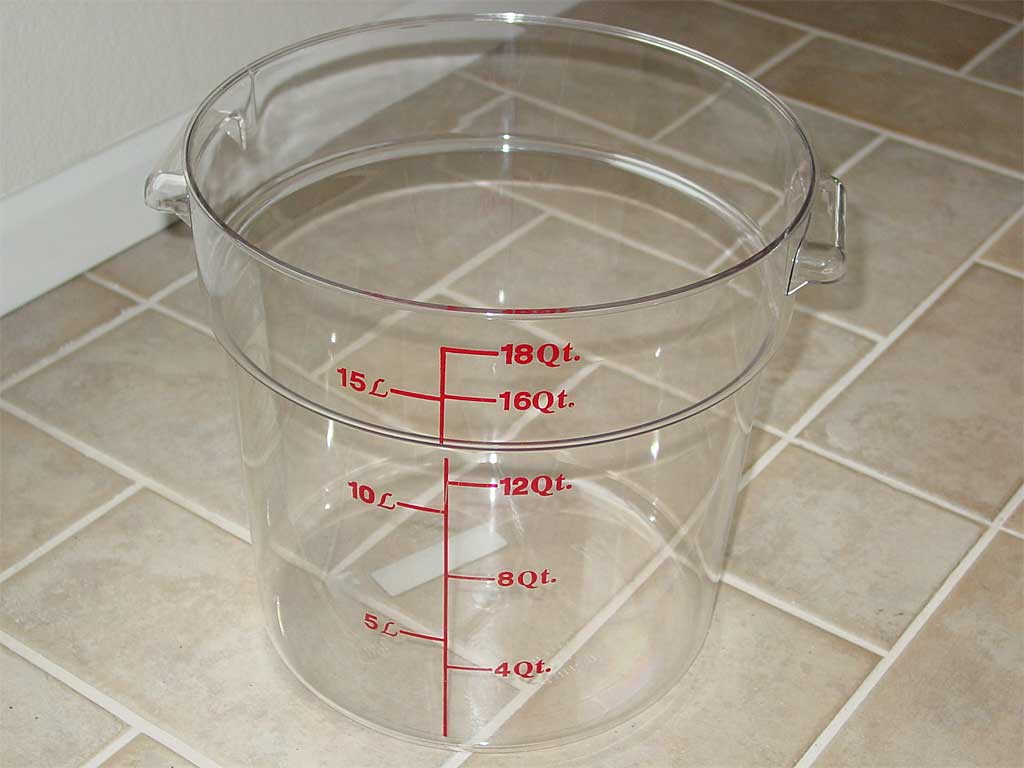
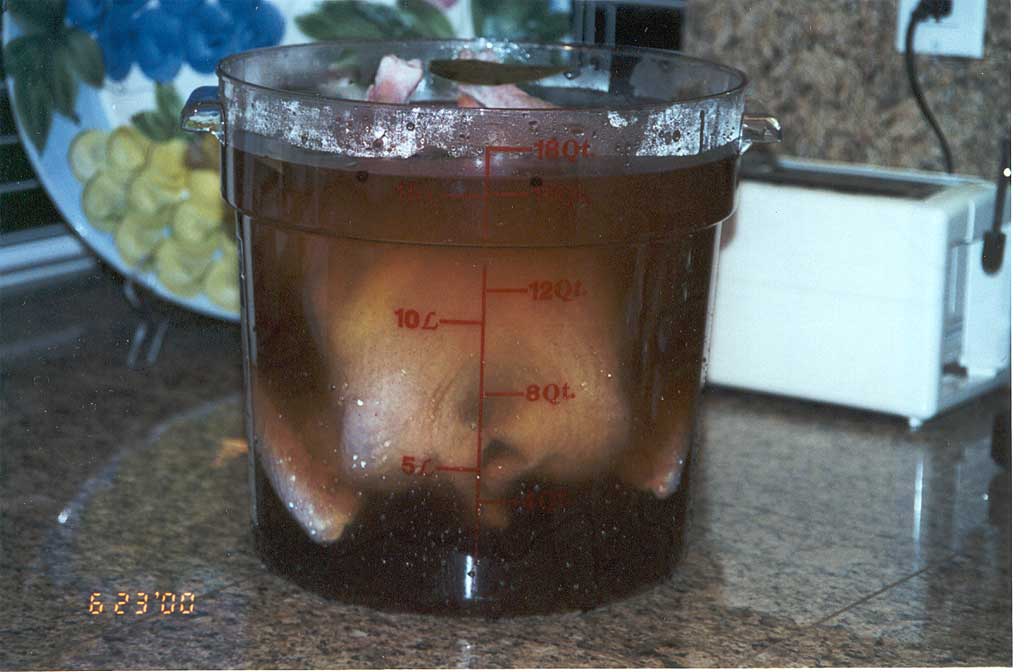
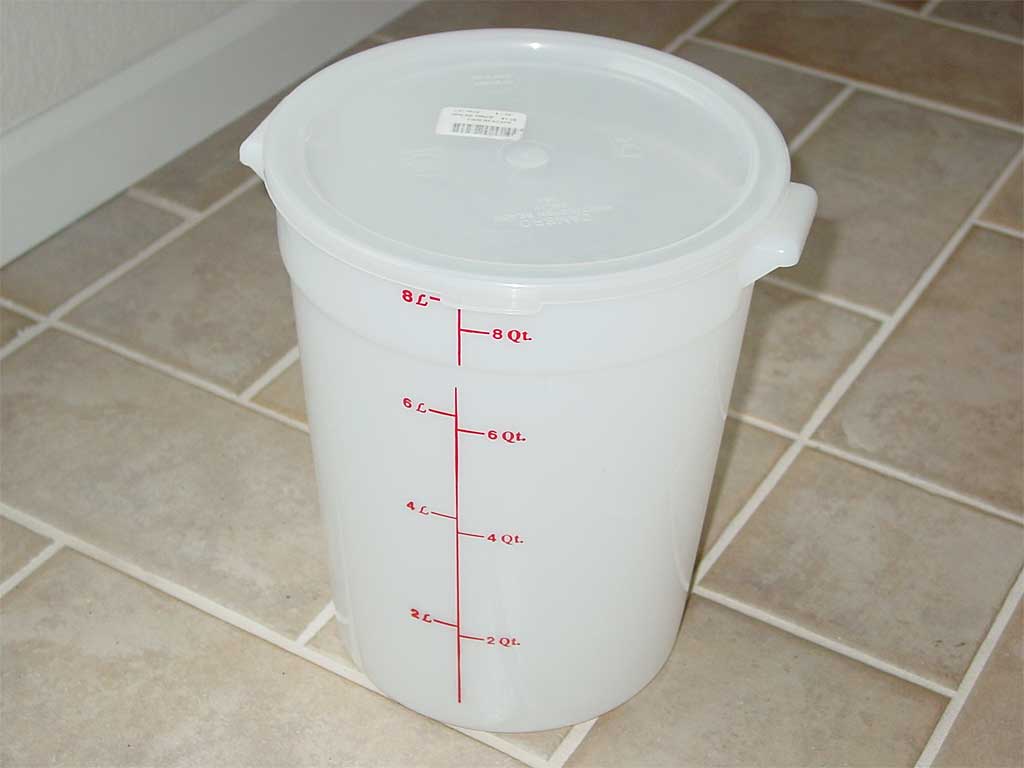
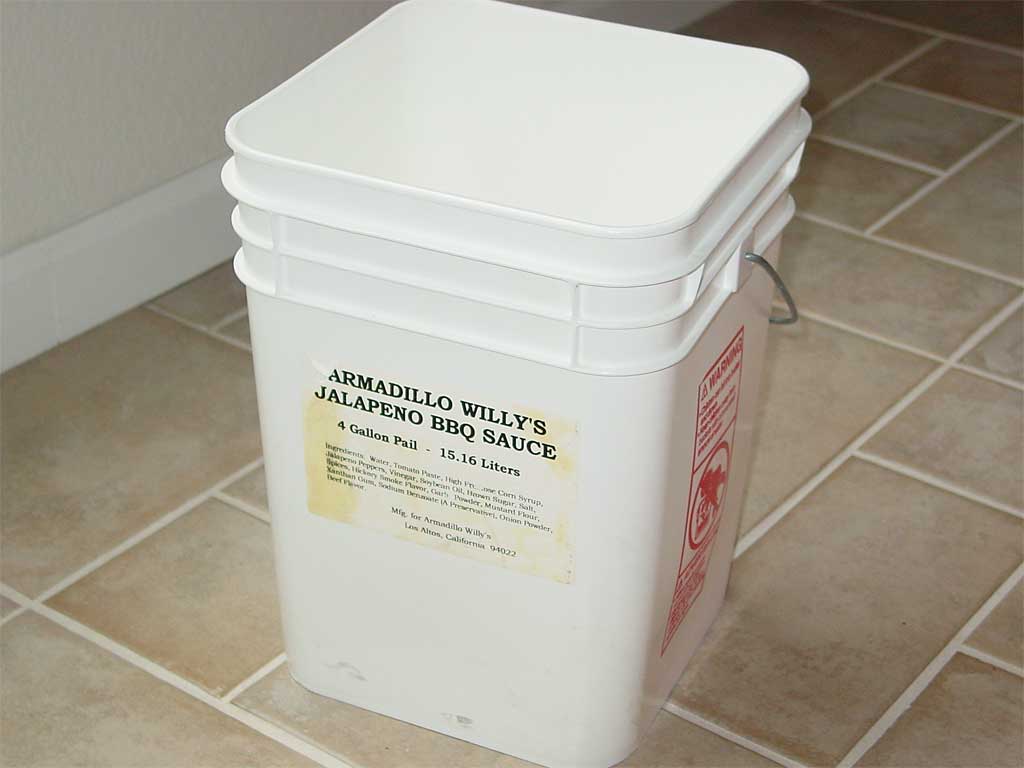
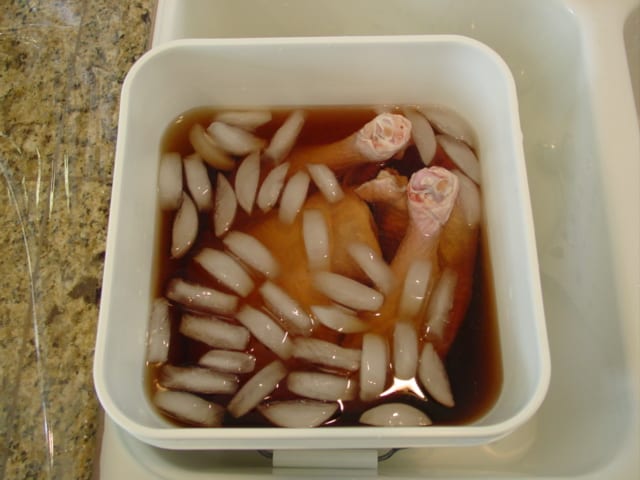
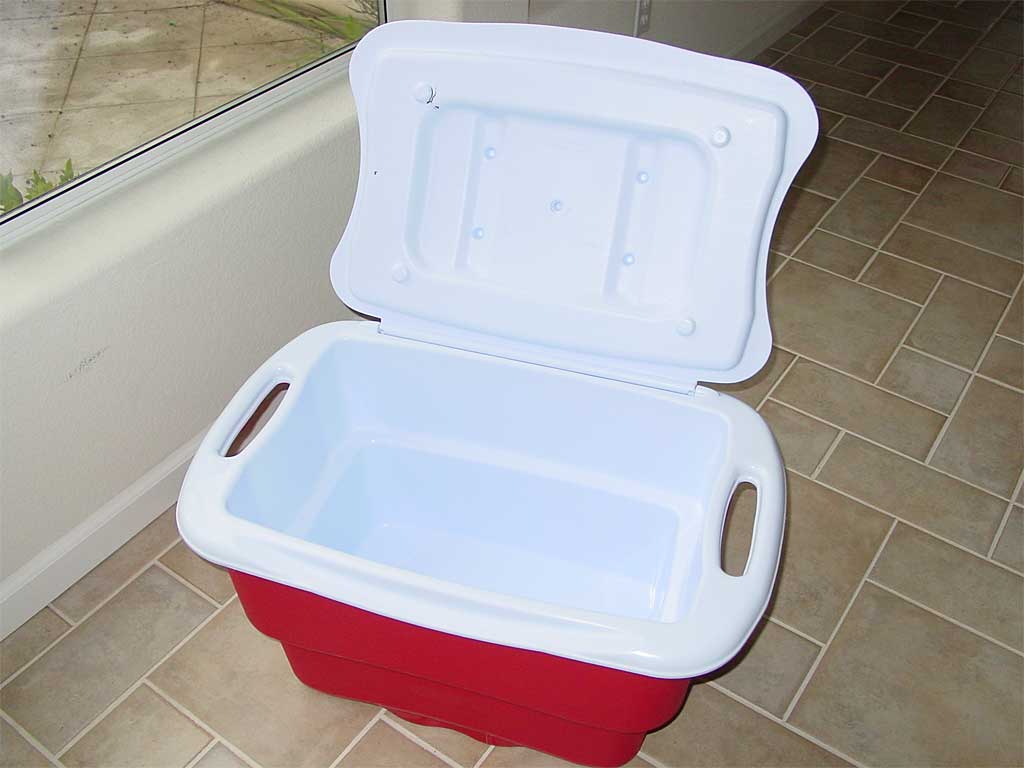
Any food grade HDPE, PP, or polycarbonate container is appropriate for brining. These materials can withstand the salt, acids (e.g. orange juice, Coca-Cola), and alcohol (e.g. beer, booze) used in flavor brines.
As a general rule:
- Food storage containers sold at restaurant supply stores are made of food grade HDPE, PP, or polycarbonate.
- The interior of coolers are made of food grade HDPE.
- Any white, opaque plastic bucket that contains food for human consumption is made of food grade HDPE.
Look for the Food Safe symbol on the bottom of the container (shown in first two photos above). When in doubt, ask the seller or manufacturer if the container is made of food grade plastic.
Here are some examples of plastic brining containers you can use:
- Food Service Containers: Cambro or Rubbermaid food-grade containers from a restaurant supply store.
- Food-Safe Plastic Buckets: Used bulk food buckets. You can often get food grade HDPE buckets free for the asking from restaurants, delis and bakeries. Think pickles, barbecue sauce, soy sauce, chocolate syrup, strawberry puree, shortening—all these things come in food grade plastic buckets.
- Coolers: Large, medium and small insulated coolers.
- Non-Food-Safe Plastic Buckets: Lined with a food-safe plastic bag, Ziploc Big Bags XL, or turkey roasting bag.
Plastic Bags For Brining
Sometimes brining in a food grade plastic bag is more convenient and takes less space in the refrigerator than using a bulky plastic container.
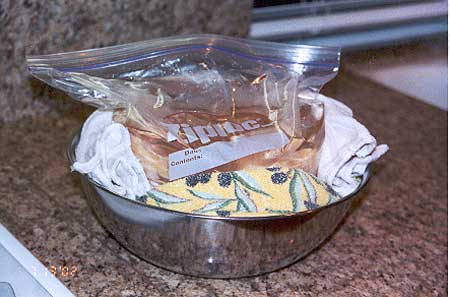
Regular Ziploc bags can be used safely for brining. The one-gallon size can be used for small cuts of meat like pork chops, chicken pieces, while the two-gallon size will accommodate a whole or butterflied chicken. Just put the meat in the bag, add the brine, zip the top, and place in a mixing bowl in the fridge for support and to catch any leaks.
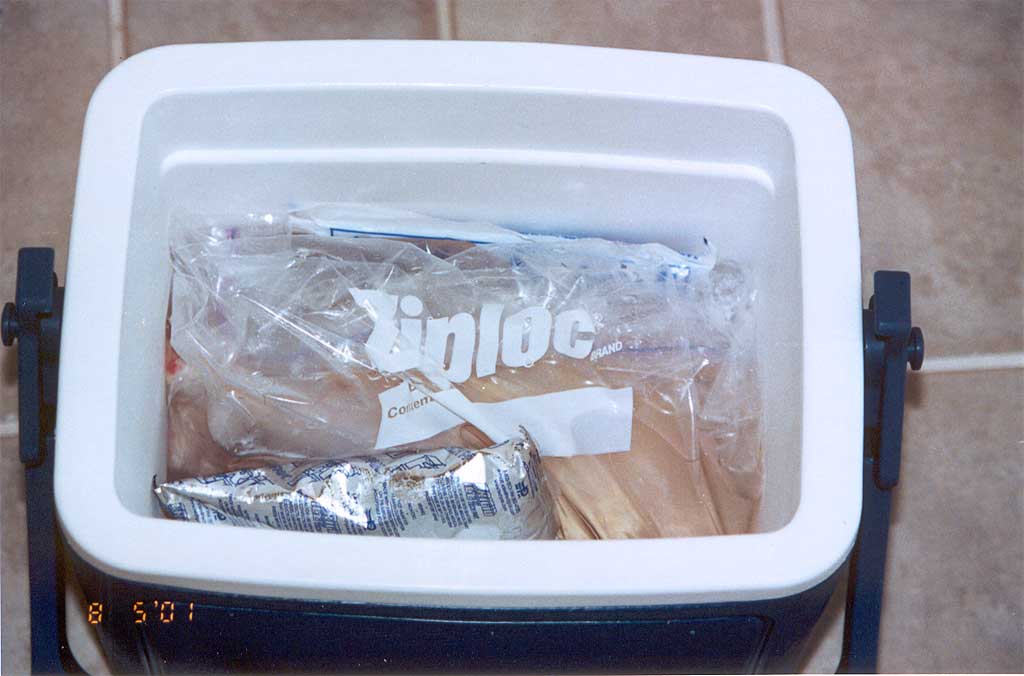
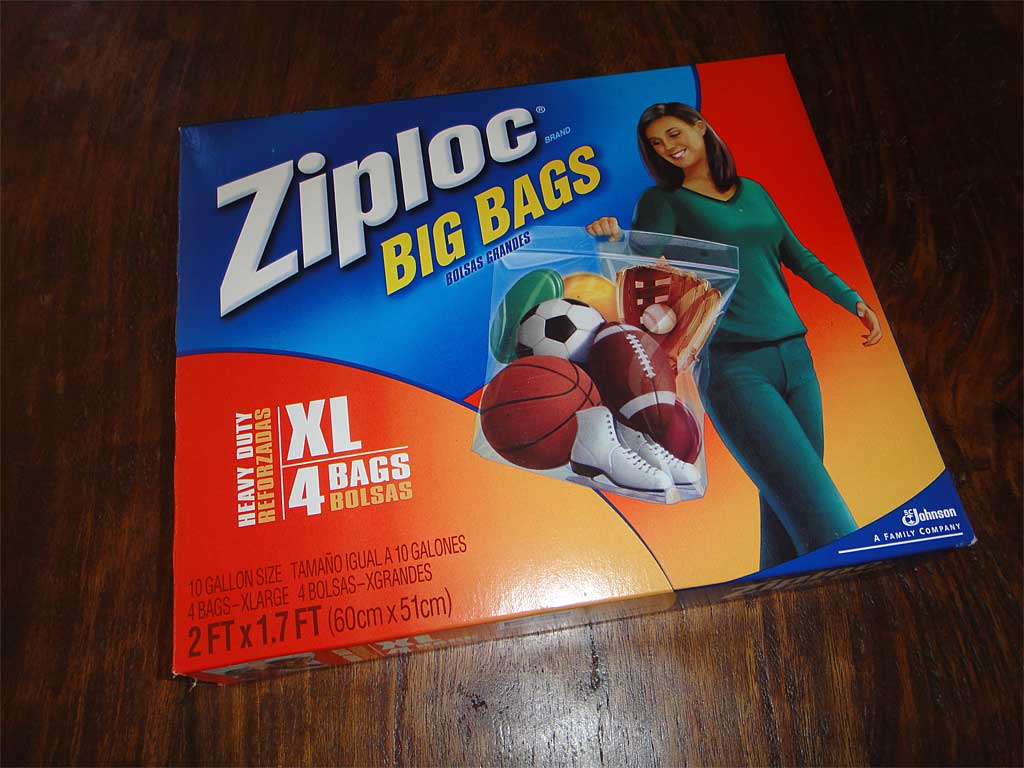
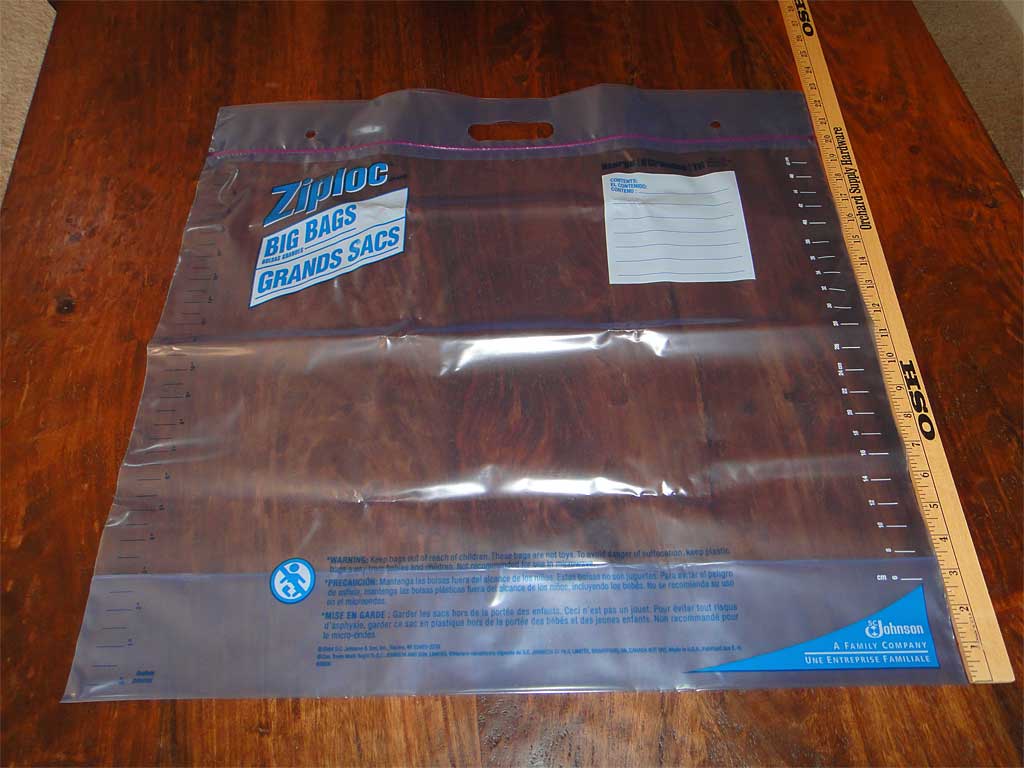
For items like a whole turkey, large food grade plastic bags will do the trick. One such product is Ziploc Big Bags XL. These thick, sturdy bags are designed to store anything, including food, and are made of the same food grade plastic as regular Ziploc bags. They measure 2′ x 1.7′ and hold up to 10 gallons. They include built-in handles and a pleated bottom that allows the bag stand up on its own.
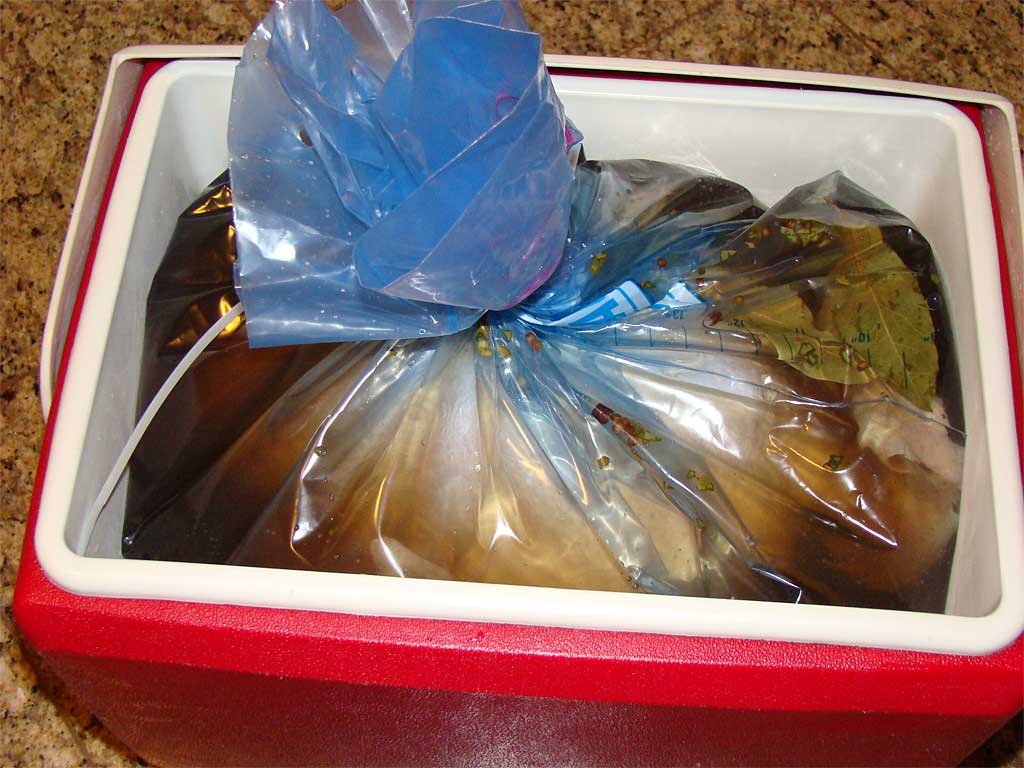
Another product is Reynolds Oven Bag for Turkey. These bags can be used as a liner inside any non-food grade plastic container. In fact, you can add plain water outside the bag to displace some of the volume of the container, thus reducing the amount of brine needed inside the bag.
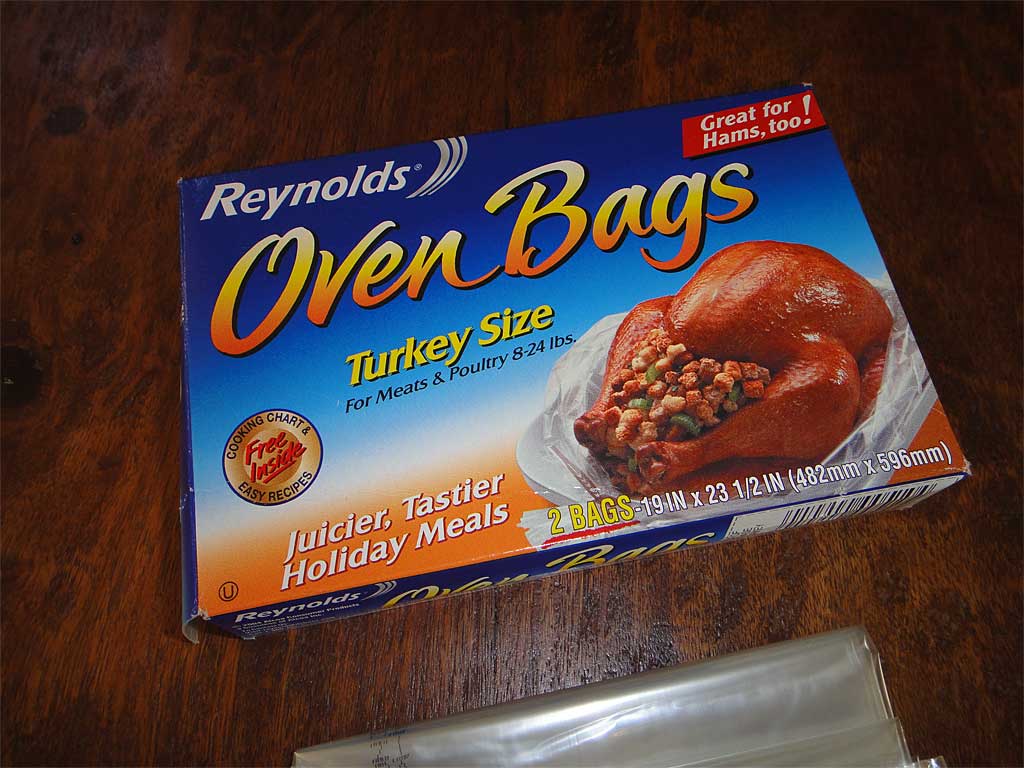
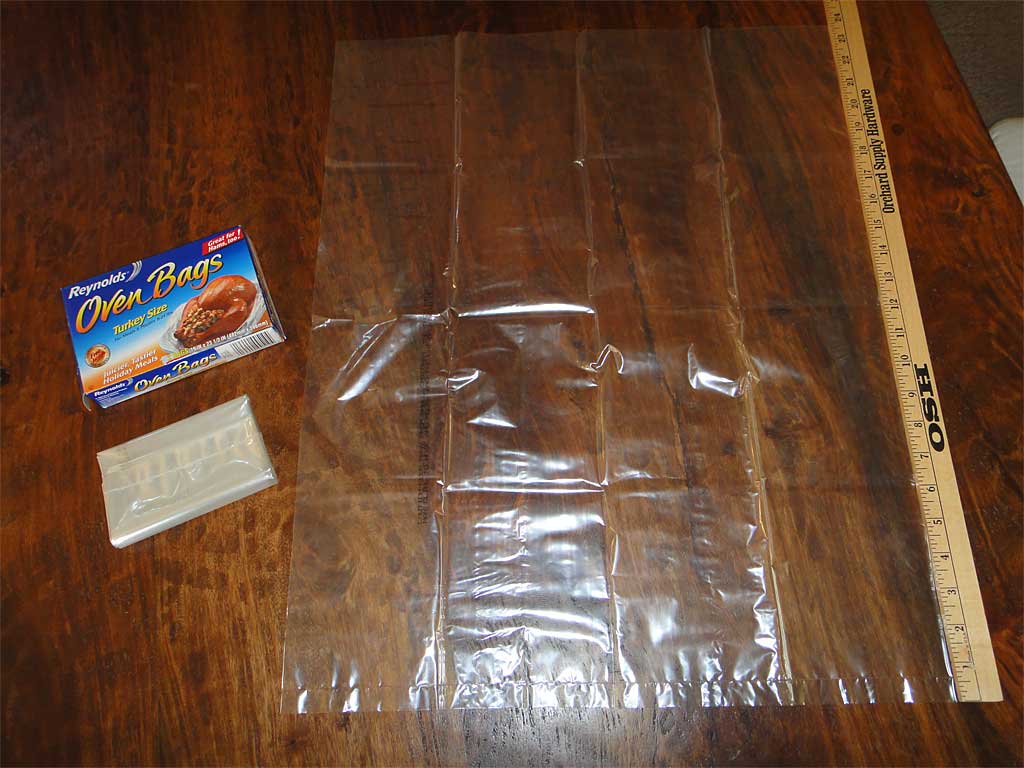
Both Ziploc Big Bags XL and Reynolds Oven Bag for Turkey are available in stores alongside regular Ziploc bags.
Some kitchen supply stores and catalogs sell specially designed disposable turkey brining bags. They are made of food grade plastic, but tend to be very expensive compared to the bags shown above.
Plastics To Avoid
If you know that a plastic container or bag is not made of food grade material, you should not use it for brining. If you cannot determine the food grade status of a container or bag, you should not use it for brining.
Examples include:
- HDPE white plastic containers of unknown food grade status
- Garbage cans or pails
- Mop buckets
- Laundry detergent or kitty litter buckets
- Dry pet food buckets
- Most 5-gallon utility buckets from the home center (read labels carefully)
- Household storage containers
- Garbage bags
- Any container—even if made of food grade plastic—that has been used to store non-food items like chemicals, paint, or detergent
The Homer Bucket: Unsafe For Brining
Note that the popular 5-gallon orange Homer Bucket from The Home Depot is not food safe and should not be used for brining. The Home Depot website says, “The buckets are not food grade.”
On the other hand, in recent years Lowe’s has been selling both food grade and non-food grade 5-gallon buckets, so read the label carefully before buying.
Removing Odors And Stains From HDPE Buckets
Since HDPE buckets are somewhat porous, they can hold odors and stains from foods like pickles or barbecue sauce. If you score a free bucket from a restaurant, try this cleaning routine suggested by USA Emergency Supply. It has worked pretty well for me.
- Wash the bucket inside and out with warm, soapy water, then rinse.
- Place the bucket outside in a sunny location.
- Pour 1 cup of baking soda into the bucket and fill with warm water all the way to the top. Stir to dissolve, then put on the lid, or cover with aluminum foil.
- Let the bucket sit in the sun for several days, then empty and rinse out.
- Pour 1 cup of bleach into the bucket and fill with warm water all the way to the top. Stir to mix, then put on the lid, or cover with aluminum foil.
- Let the bucket sit in the sun for several days, then empty.
- Wash again inside and out with warm water and dishwashing liquid, then let dry with the lid off.
Learn All About Brining
To learn more about the brining process and brining recipes, read All About Brining.