Summary
- Choose a cold morning or evening to help keep cooker temperature low.
- Arrange blocks of cheese on a wire rack. Let cheese come to room temperature, 68-70°F.
- Light a 6″ smoker tube of flavor wood pellets per manufacturer’s instructions.
- Fill water pan with ice.
- When pellets are ready, place cheese on top cooking grate.
- Open all vents fully. Operate cooker ideally below 70°F, but no more than 90°F.
- Cold smoke cheese for 2 hours. Flip the cheese blocks halfway through smoking.
- Pat dry any condensation. Place in plastic bags and refrigerate overnight.
- Seal cheese in vacuum bags. Store in refrigerator 2-4 weeks to allow smoke flavor to mellow before serving.
The first time I cold smoked cheese was in December 2000. I used a different process from the one I’m about to describe to you; you can read about it later in this article. In 2019, I was encouraged by fellow KCBS barbecue judge Todd Yates to make a cold smoked cheese video using a pellet tube. That’s what motivated me to make the cheese you see here on June 7, 2019.
Video: Cold Smoking Cheese In The Weber Smoker
This video provides additional details on the method described in this article.
Introduction To Cold Smoking Cheese
The cold smoked cheese you produce using the Weber Smokey Mountain Cooker is nothing like the “smoked, processed cheese product” you buy at the supermarket. Many of those have a dark exterior that is achieved by spraying a liquid smoke solution over the product. When you cold smoke cheese using wood pellets as demonstrated in this article, you get a slight color change on the surface of the cheese and a strong smoke aroma and flavor that depends largely on:
- the flavor of wood pellets used,
- the amount and duration of smoke applied, and
- how long you rest the cheese in the refrigerator after cold smoking.
The big mistake I’ve made when cold smoking cheese is that I did not allow the cheese to rest in the refrigerator for 2-4 weeks so the smoke flavor can mellow. Many people find the smoke flavor overwhelming when the cheese is eaten immediately after cold smoking.
My recommendation is that you cold smoke cheese for 2 hours using a mild flavored pellet like apple wood, refrigerate the smoked cheese overnight in a Ziploc bag to bring it back down to refrigerator temp, then vacuum seal the cheese and let it rest for 2-4 weeks before serving. Then do a taste test; if you find the flavor too strong or too mild, adjust the smoke time and rest time on the next batch you make.
Select The Cheese
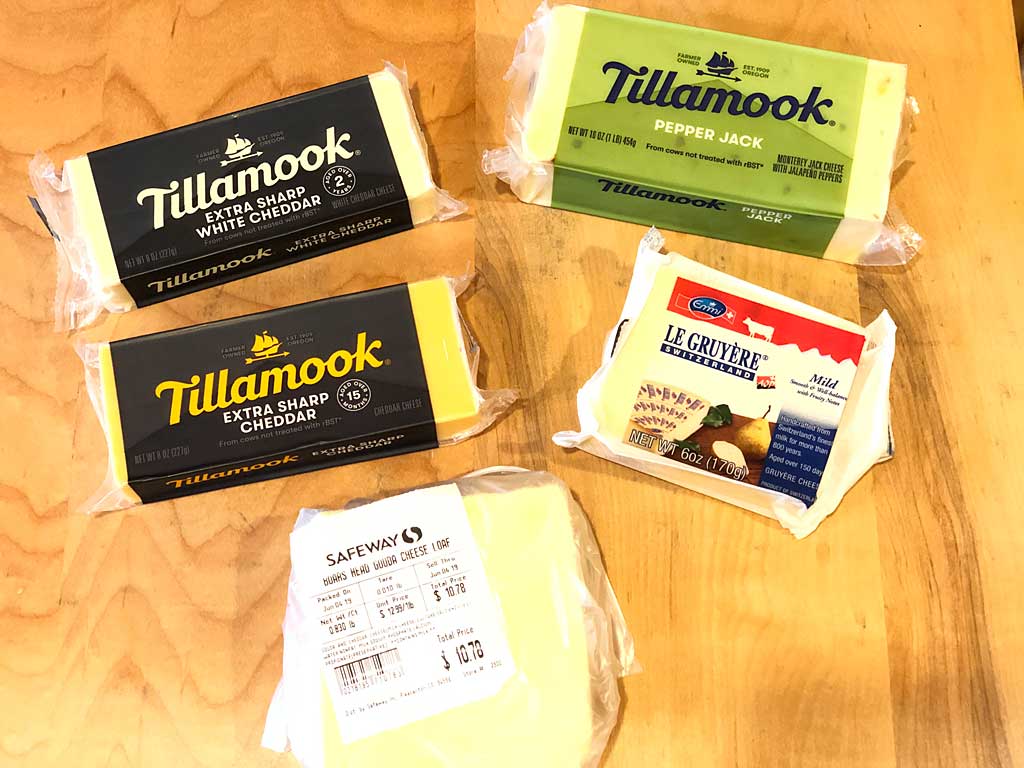
You can smoke just about any cheese you like. I chose two blocks of extra sharp cheddar cheese (one orange, one white), one block of pepper jack (cut in half), one block of Gruyère, and one block of Gouda. I’ve also heard that folks get good results with Swiss, Colby, Provolone, Mozzarella, Havarti, Jarlsburg, and Stilton. I used Tillamook, Emmi, and Boar’s Head brands of cheese—all popular here on the West Coast.
Best results are achieved by smoking large chunks of cheese. The smoke flavor on the outside of the cheese will be balanced by the large amount of “inside” cheese that has no smoke flavor.
Choose A Pellet Tube
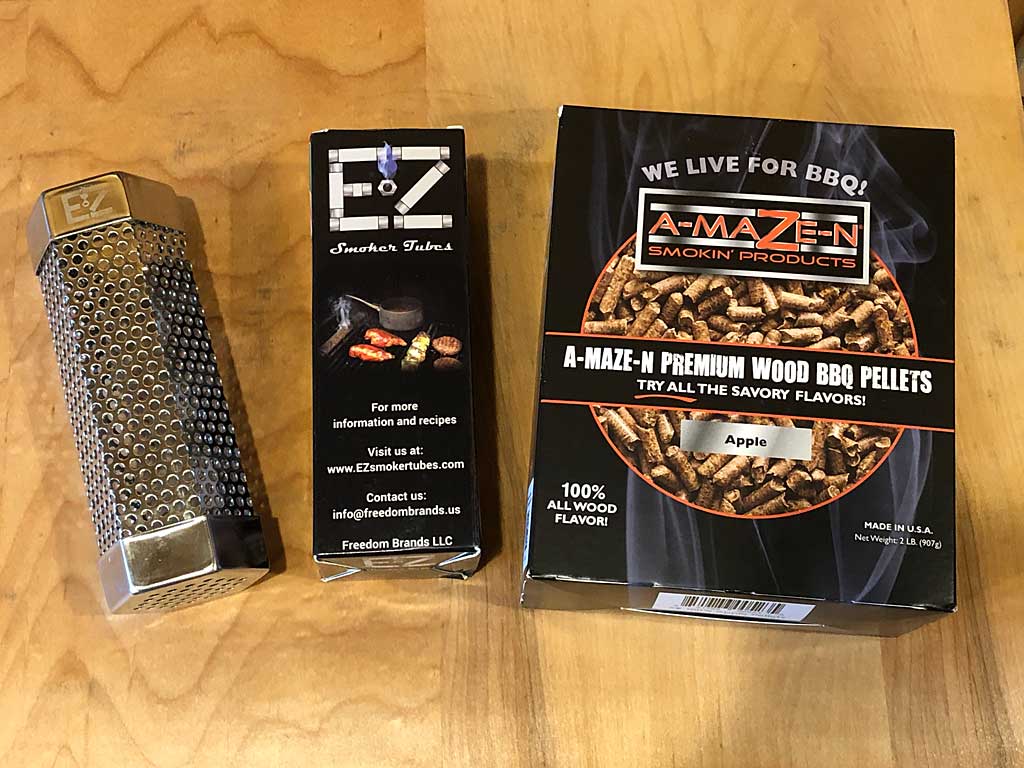
You’ve got many choices in pellet tubes and pellet trays. Both are typically made of stainless steel and come in a variety of sizes and configurations. I like using a 6″ pellet tube because it burns for two hours and creates a good amount of smoke. Trays don’t have the restricted airflow of tubes, so they burn faster and produce less smoke.
The tube shown here is the 6″ EZ Hexagonal Smoker Tube made by Freedom Brands. It sells for $15.99 at time of writing. I recommend a square or hexagonal tube like this one because it won’t roll around on the charcoal grate.
Choose The Flavor Pellets
Mild smoke woods are best for cold smoking cheese. Apple, cherry, alder, or a combination of these will work well. As when smoking meat, cherry will create more color on the surface of cheese than apple or alder. Hickory is too strong for my taste; I’ve read that oak is sometimes used when smoking cheese.
When choosing a pellet brand, look for products made with “100% apple” or “100% cherry”. Pellets labeled “100% wood” may be a blend of 60% oak + 40% flavor wood or similar. To add to the confusion, some brands sell both 100% “flavor pellets” and 60/40 blends of “grilling pellets”, so read the package label or online description carefully. Brands offering 100% flavor wood pellets include A-Maze-N and BBQr’s Delight.
Arrange The Cheese On Wire Rack & Bring To Room Temperature
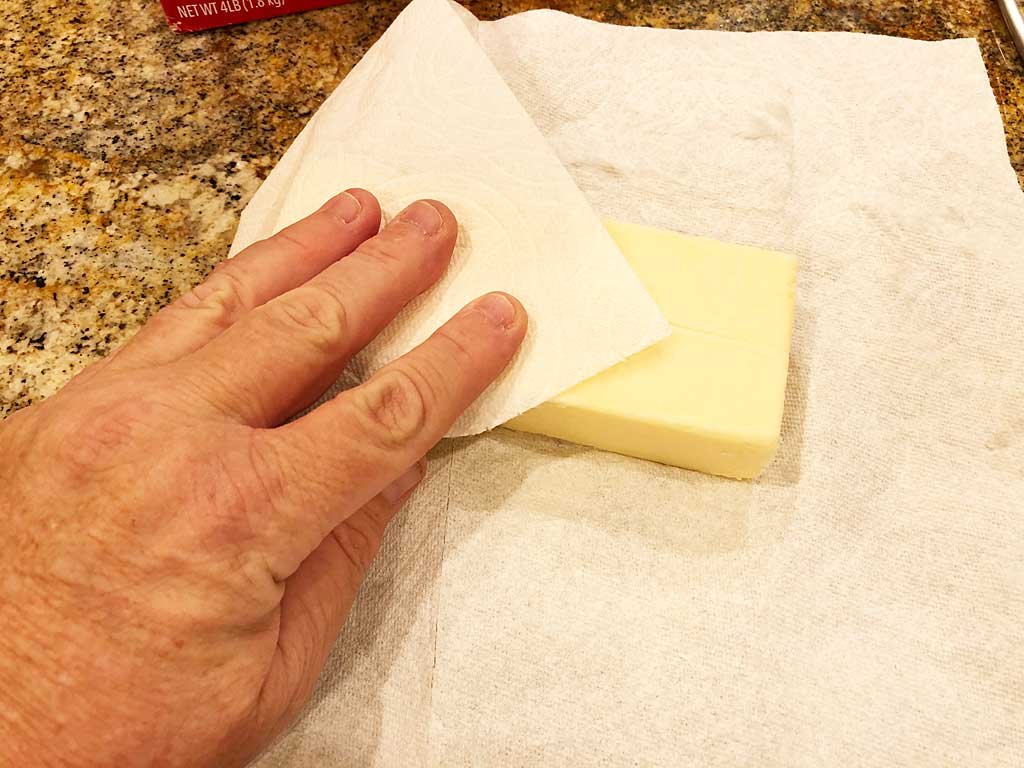
Remove the cheese from its packaging and pat dry any condensation.
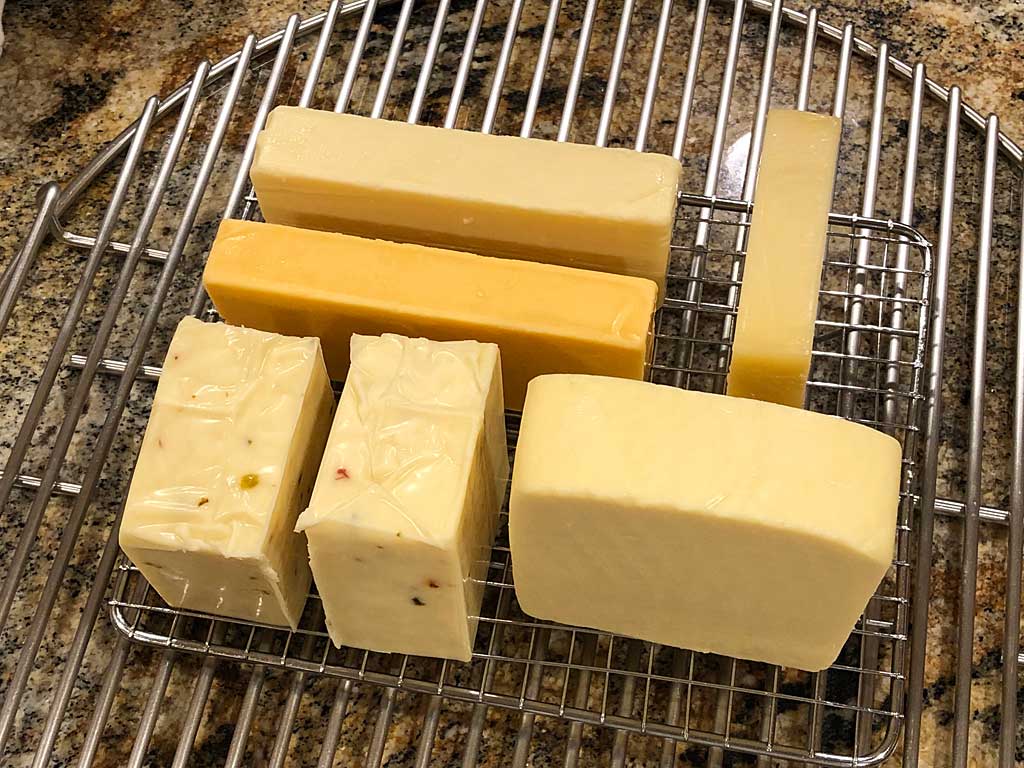
Arrange the blocks of cheese on a wire rack that fits on the WSM top cooking grate. Allow space for smoke to circulate around the cheese. Placing cheese on edge allows for increased capacity in the smoker.
To reduce condensation on the cheese surface during cold smoking, allow the cheese to come to room temperature, approximately 68-70°F, before smoking.
Light The Pellets
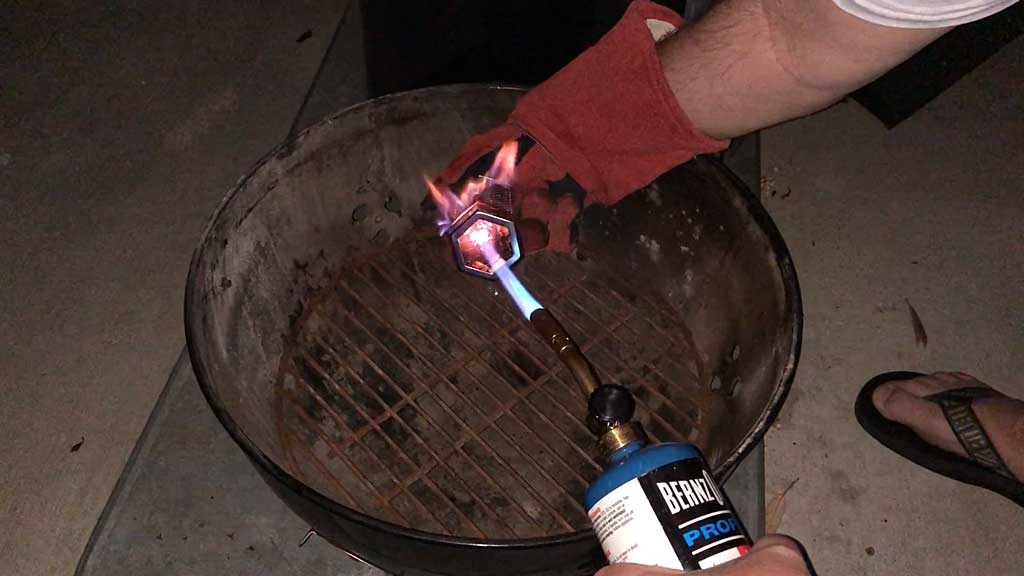
Load the pellet tube and light per the manufacturer’s instructions. For the 6″ EZ Hexagonal Smoker Tube shown here, fill with pellets, leaving a 1″ gap at the top. Wearing a heat-resistant glove, hold the tube by the bottom at an angle and light with a propane torch, butane lighter, or cigar lighter. You can also lean the tube at an angle against a chimney starter or a scrap piece of wood in order to light it.
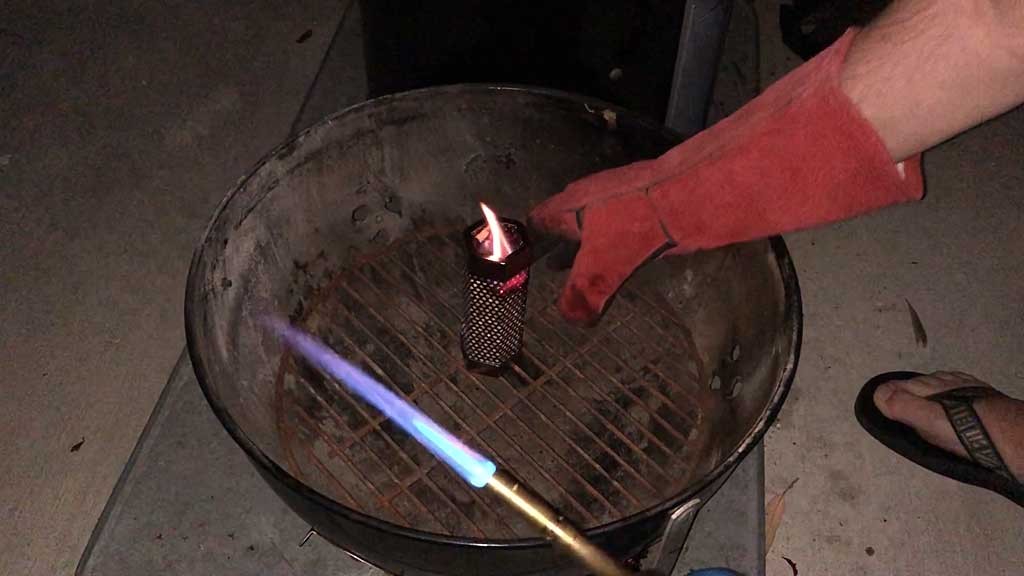
Stand the tube on end, let the pellets burn for 5-7 minutes.
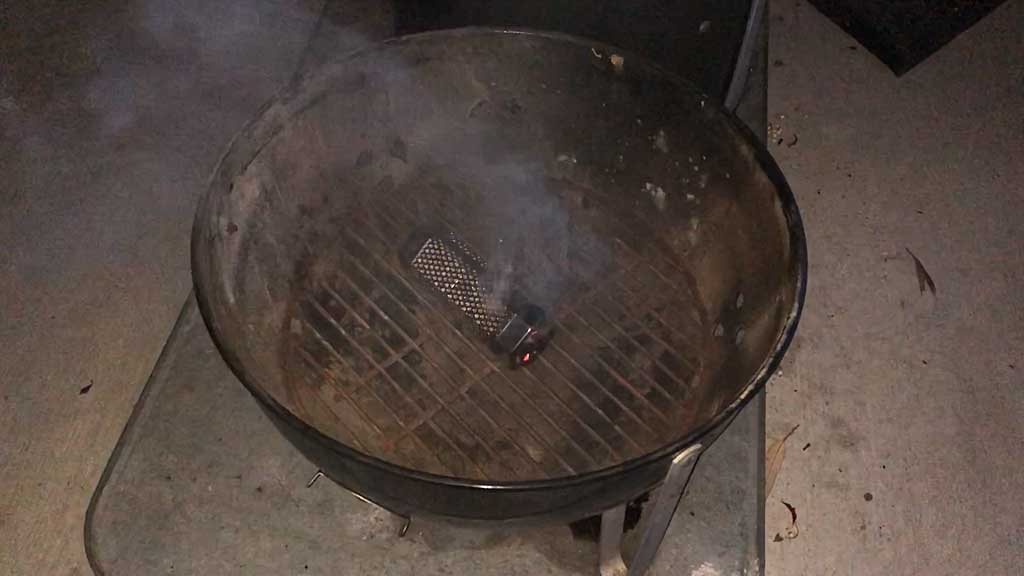
Blow out the flames and lay the tube on its side on the charcoal grate to produce smoke.
Keep Things Cool
First of all, you picked a cool morning or evening to make cold smoked cheese, didn’t you? You’re better off with the weather working for you than against you.
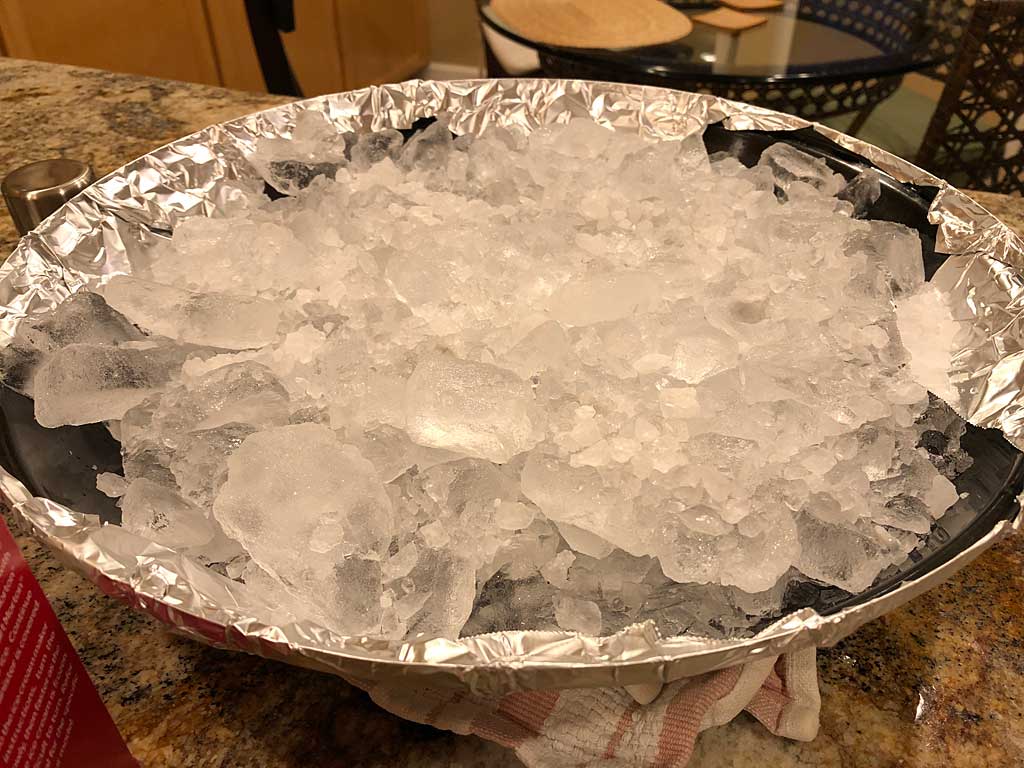
Fill the water pan with ice cubes to help keep the cooker temperature down during the cold smoking process.
Let’s Smoke Some Cheese!
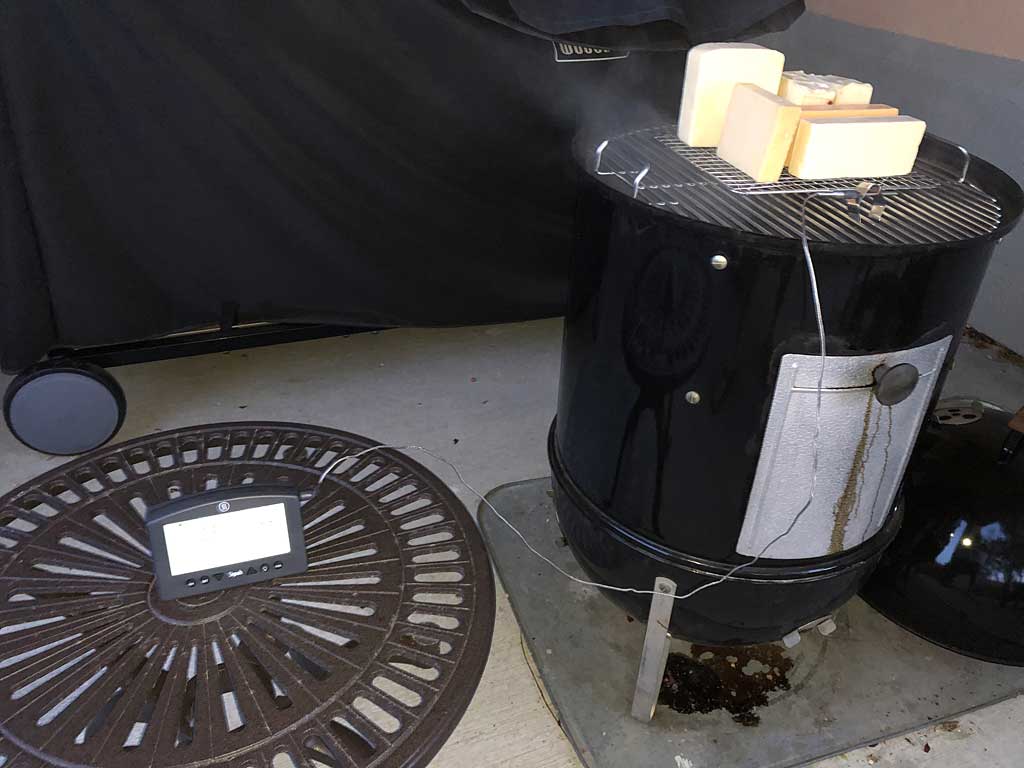
With the pellet tube producing smoke and the water pan filled with ice, place the cheese-loaded wire rack on the top cooking grate. Fully open the lid vent and all of the bottom vents during smoking.
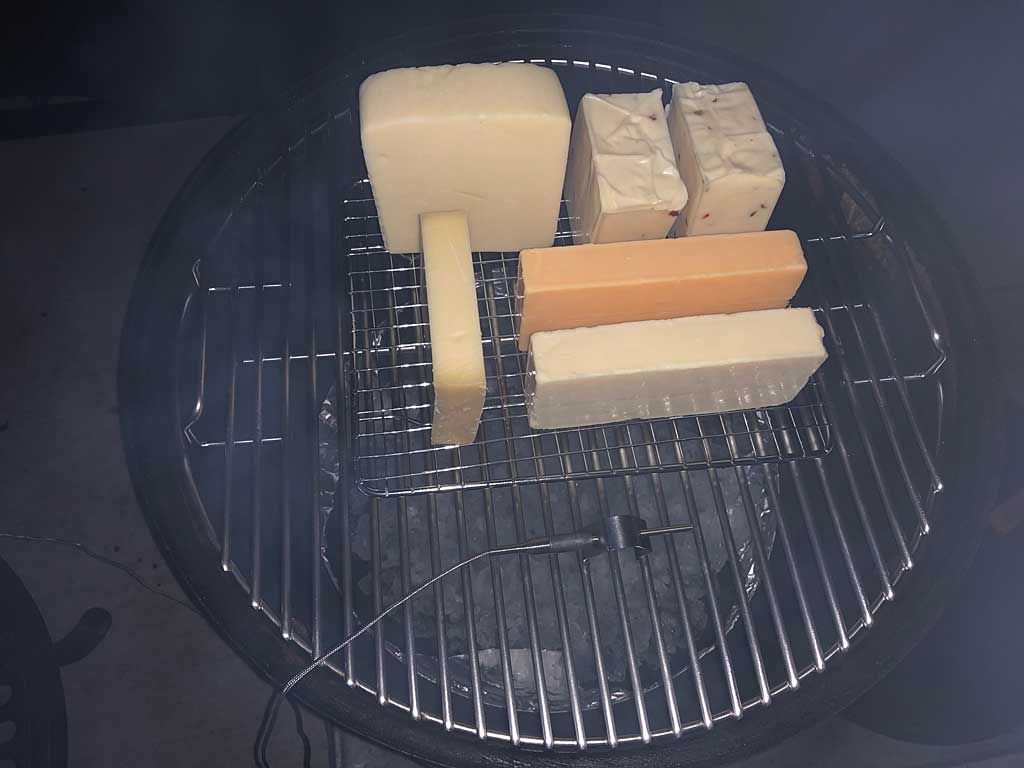
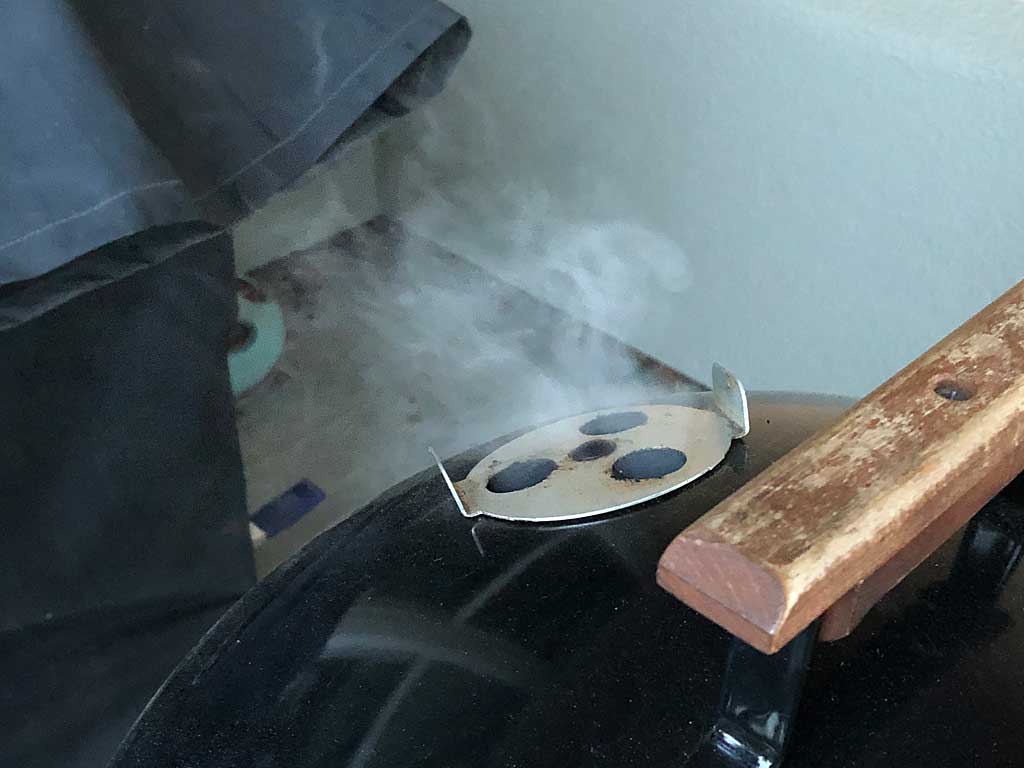
Smoke the cheese for 2 hours. It’s ideal for the cooker temp to stay below 70°F, but no more than 90°F; above that and you’re cooking the cheese. Monitor the cooker temperature using a lid thermometer or a probe thermometer on the cooking grate, like the ThermoWorks Signals 4-channel probe thermometer shown here.
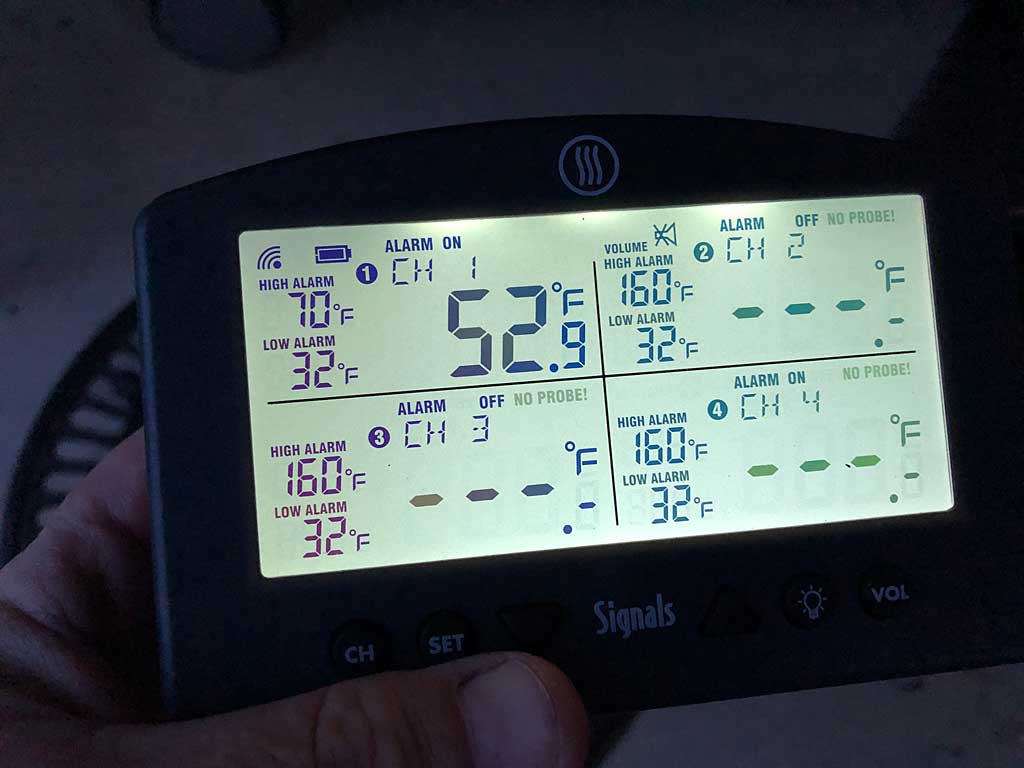
When I cold-smoked the cheese shown here on a cool June morning, the WSM measured 51°F at 5:45 AM and 70°F at 7:45 AM when I was finished.
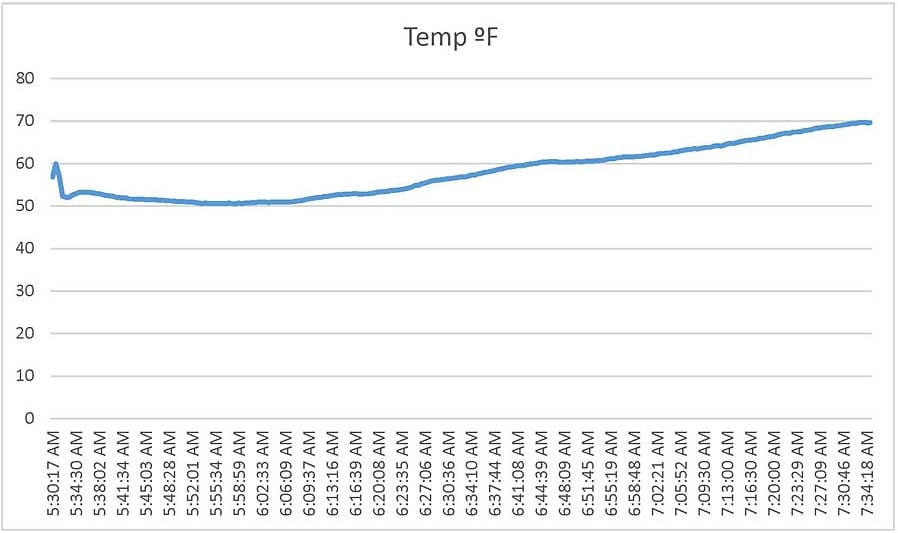
For even smoke flavor, flip the cheese blocks halfway through the smoking process. I did not do this for the cheese shown here, I think it would have turned out even better had I done so.
Refrigerate Cheese & Let Smoke Flavor Mellow
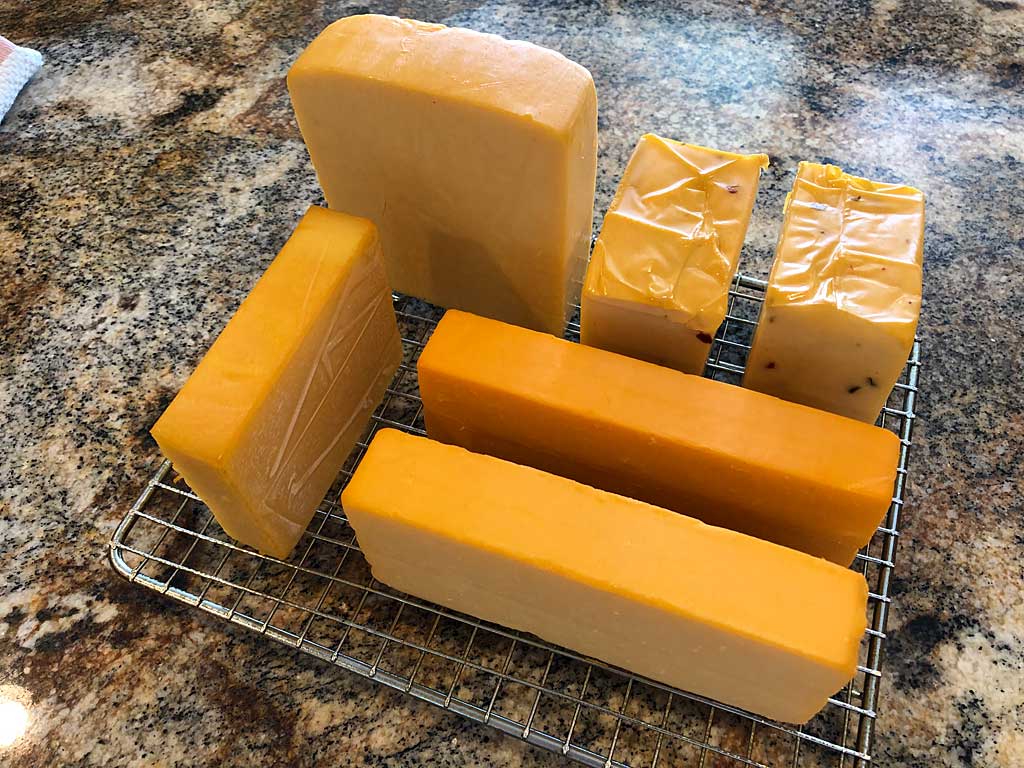
Remove the cheese from the WSM. Pat the surface dry of any condensation that may have accumulated. Place the cheese in a Ziploc bag and refrigerate overnight.
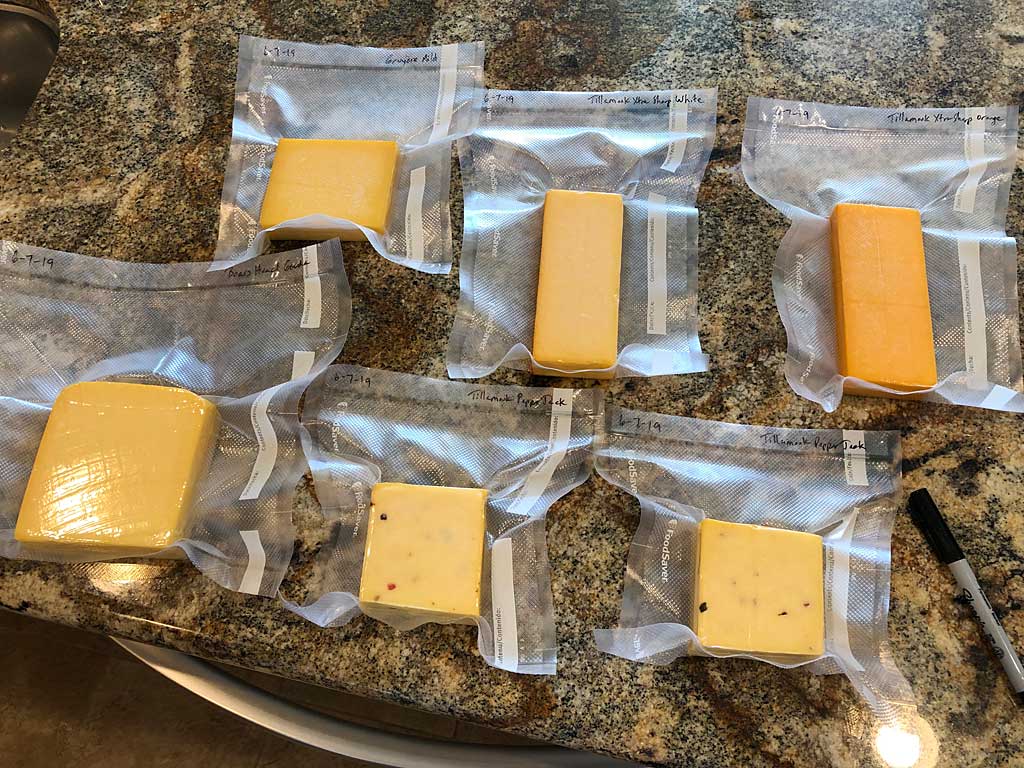
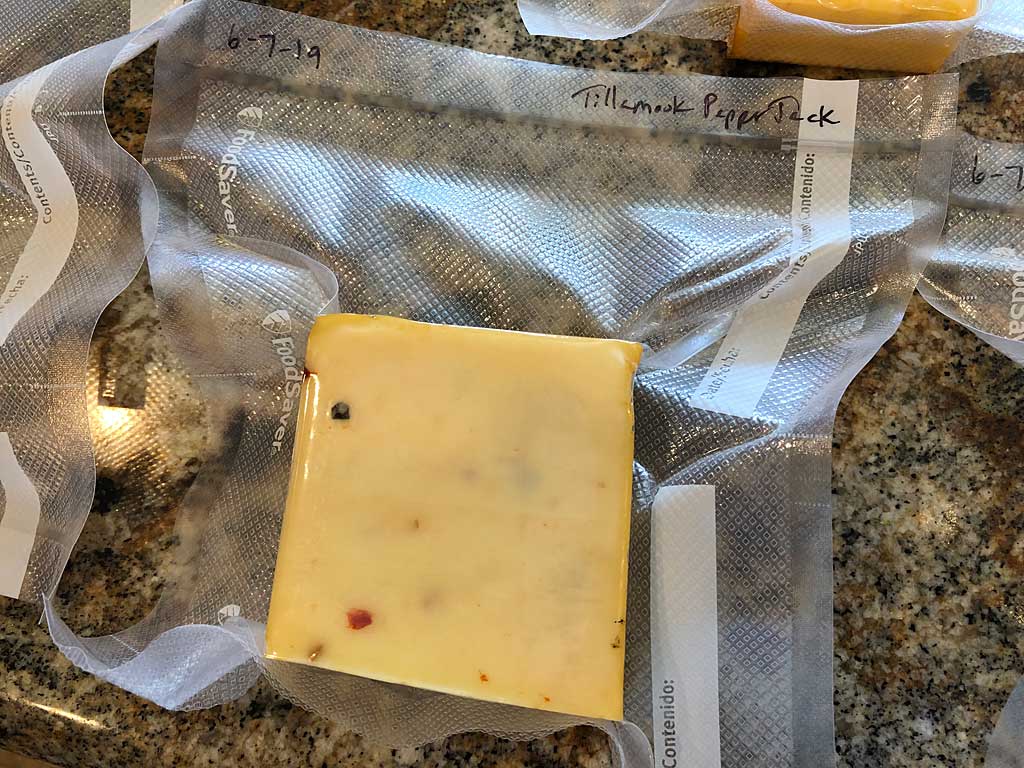
Once the cheese is cold, seal each chunk in a vacuum bag and let rest in the refrigerator for 2-4 weeks. This allows the sharp smoke flavor to mellow, making the cheese taste better.
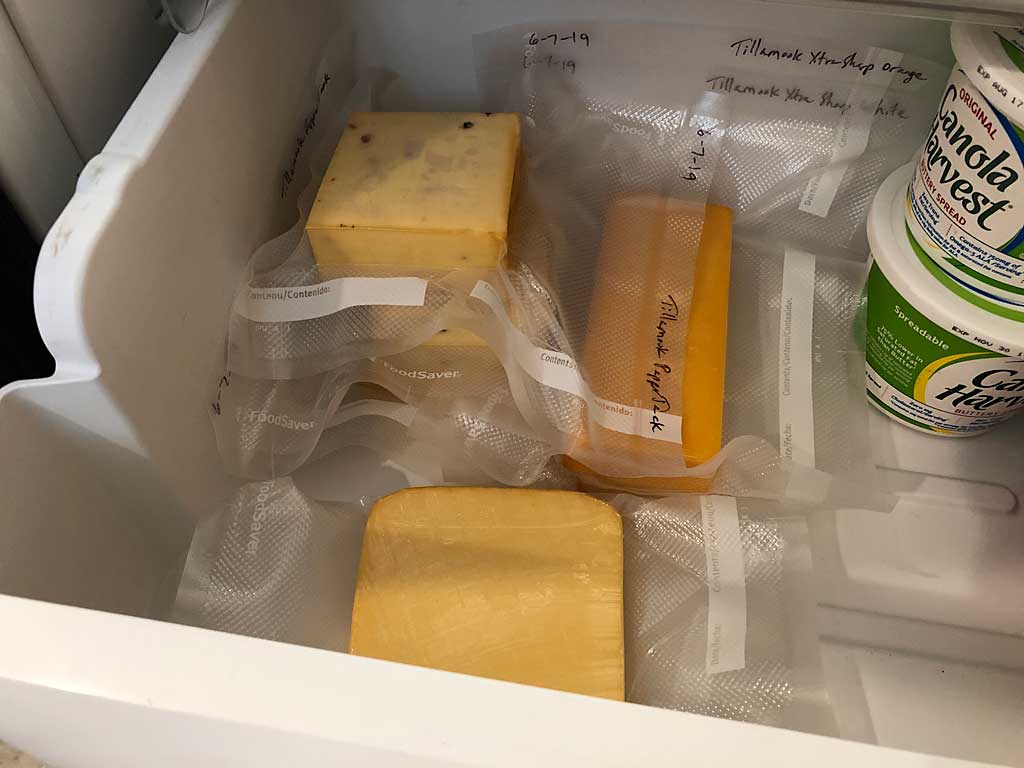
Enjoy Your Cold Smoked Cheese!
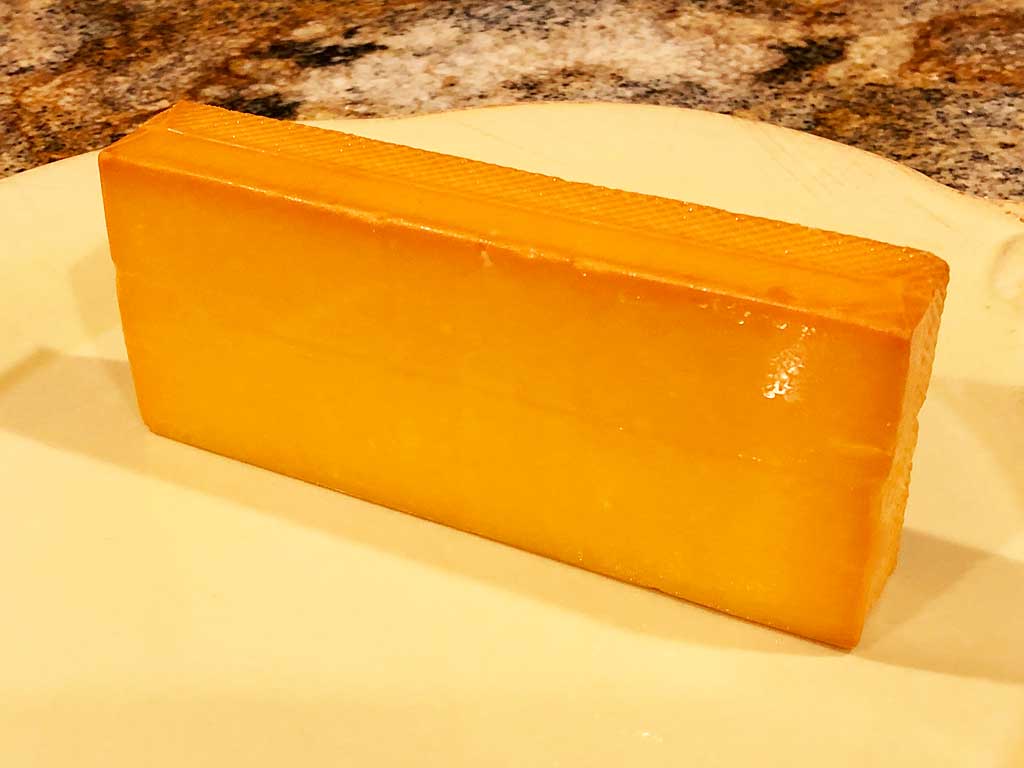
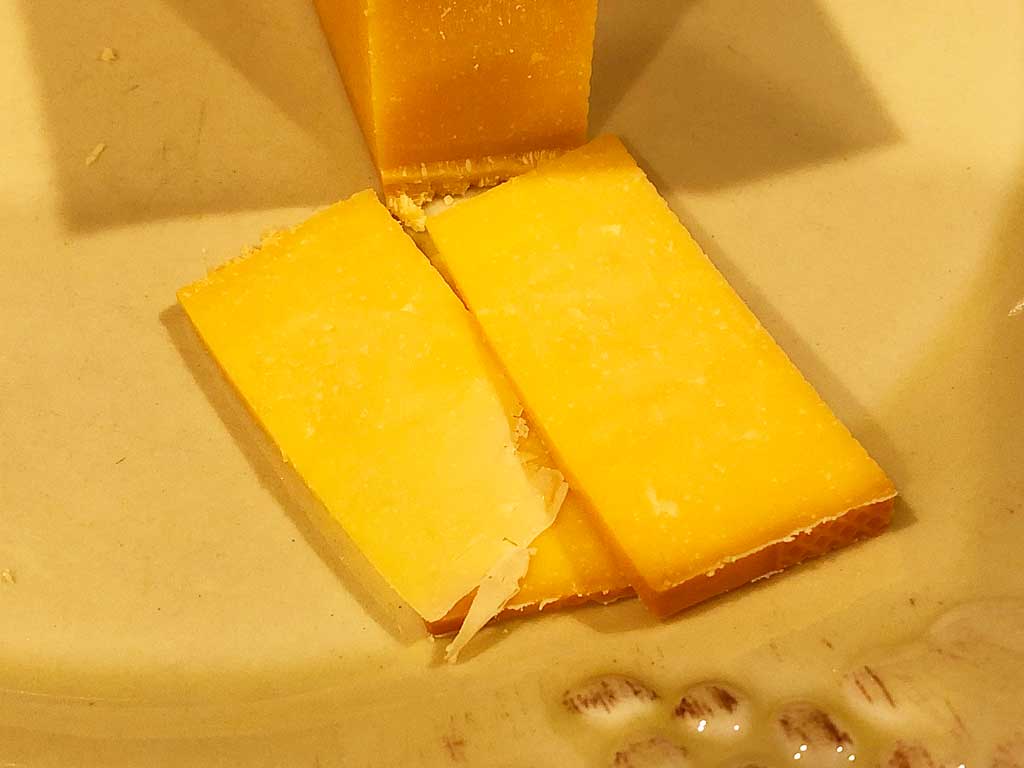
After mellowing in the fridge, open your vacuum sealed cheese and enjoy as you would any cheese. Of the ones shown here, the hands-down favorite was the smoked Gouda. Next time, I’ll do a bunch more Gouda, it was that good!
If you find the cheese too strong, trim off a bit of the exterior edge to reduce the amount of smoke flavor. Next time, reduce the amount of smoke applied to the cheese.
Other Ways To Cold Smoke Cheese
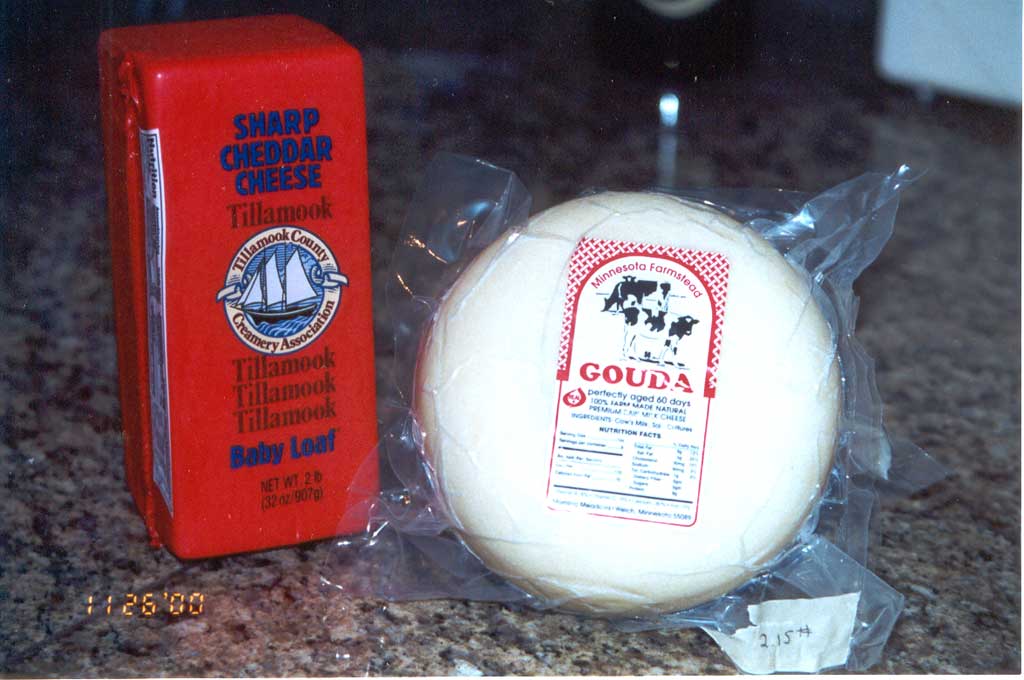
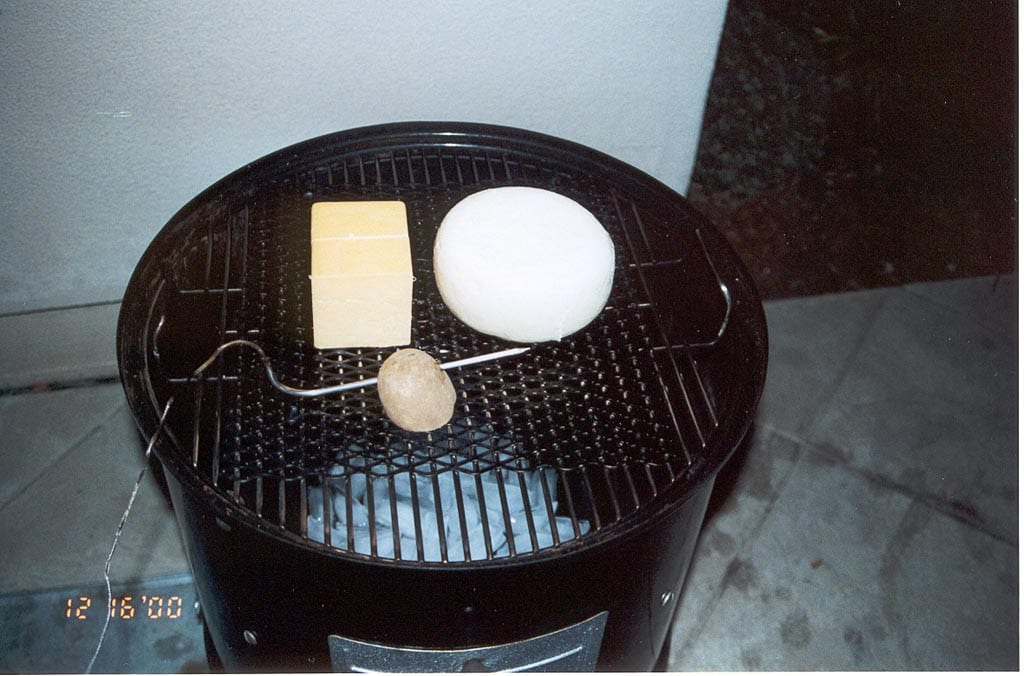
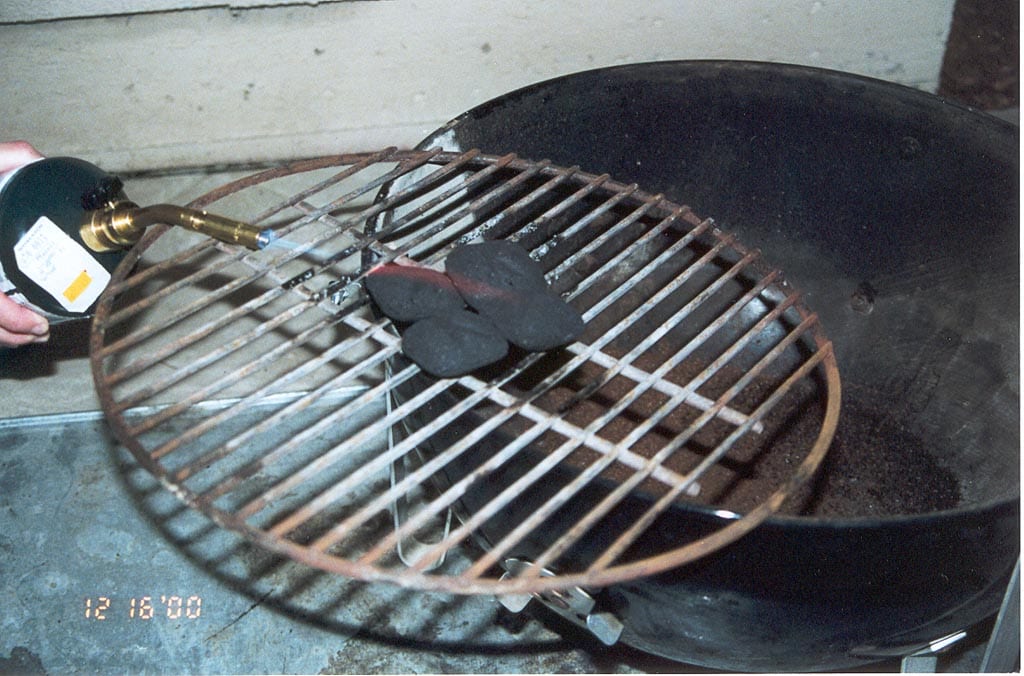
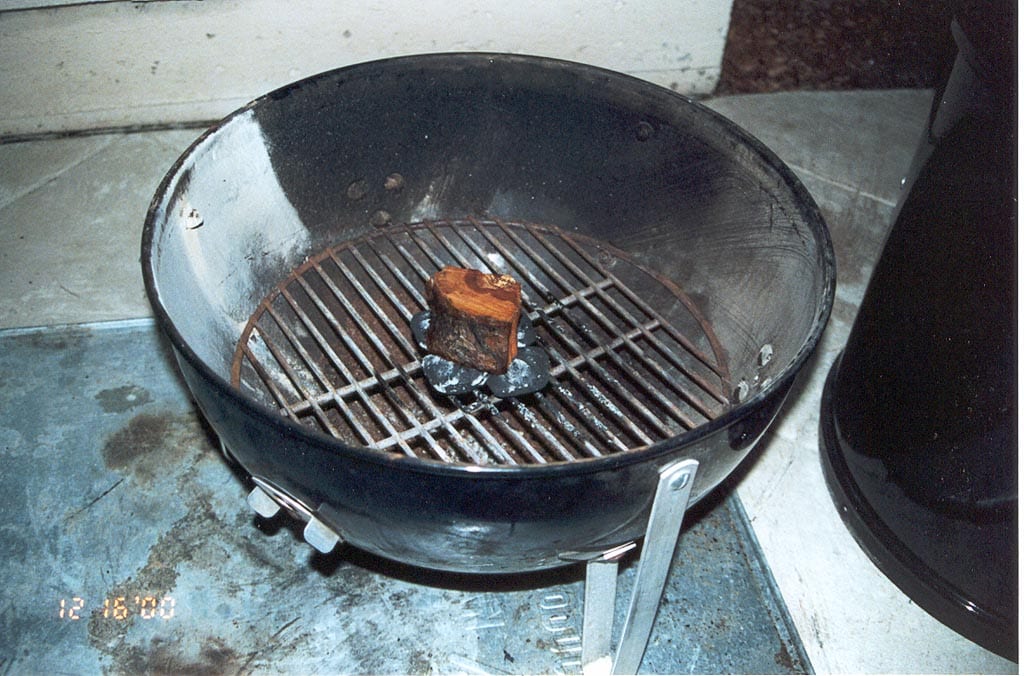
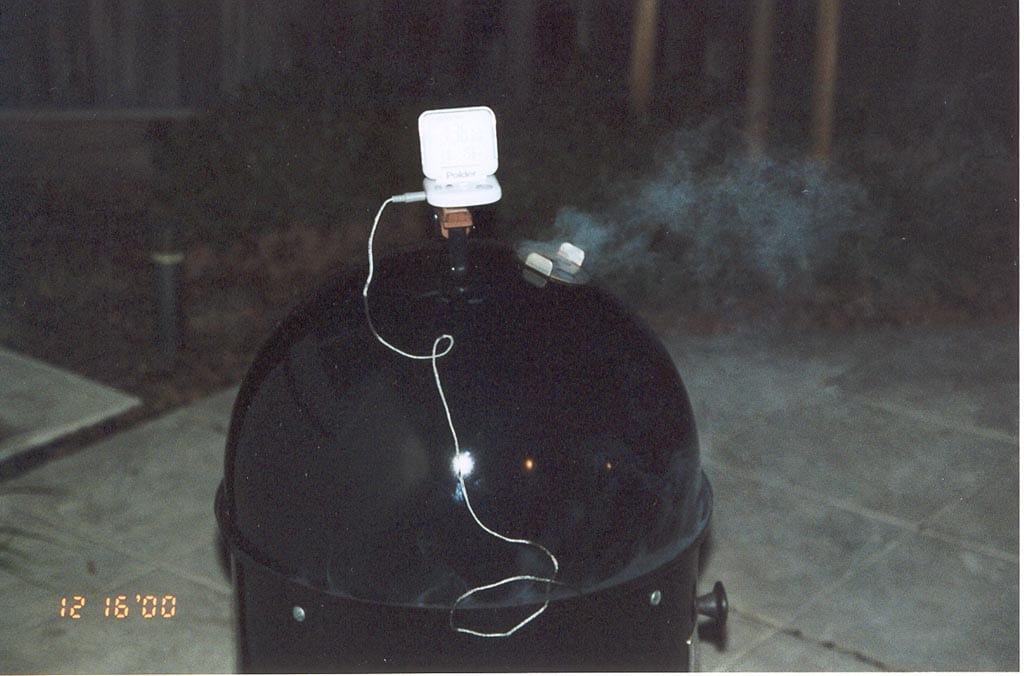
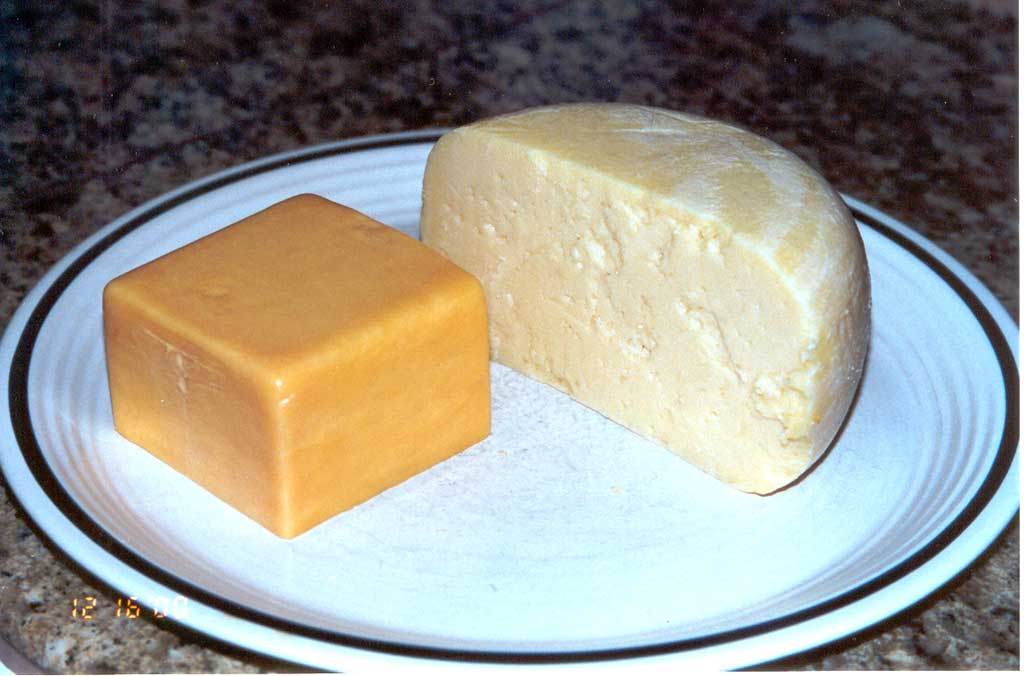
On December 16, 2000, long before the popularity of pellet tubes, I cold smoked sharp cheddar cheese and a wheel of Minnesota Farmstead Aged Gouda in the WSM using just a few lit briquettes and a chunk of smoke wood. TVWB reader Mark Born provided the Gouda and shared his tips on using this method to smoke cheese in the WSM.
I placed a single, large chunk of apple wood on top of four briquettes that I lit using a propane torch. Born suggests using apple for about half the time, then switching to cherry for the remainder to provide more color to the surface of the cheese; I chose not to do that.
With the smoke wood in place, assemble the cooker, insert the water pan, and fill it with ice cubes. Open all the cooker vents fully. Put the cheese on the top grate and monitor the cooker temperature carefully. Keep the temperature below 90°F to avoid melting the cheese. Smoke for 1-2 hours, depending on the desired level of smoke flavor and how long you can maintain a sub-90°F temperature.
If you have the luxury of two Weber Bullets, you might try stacking the two middle cooking sections together as shown on the Increasing Cooking Capacity page and putting the cheese on the top grate. This would put greater distance between the cheese and the coals, helping to keep the cheese cooler during smoking. If you’re really industrious, you could try the Cold Smoker Conversion project and make cold-smoked cheese using that rig.